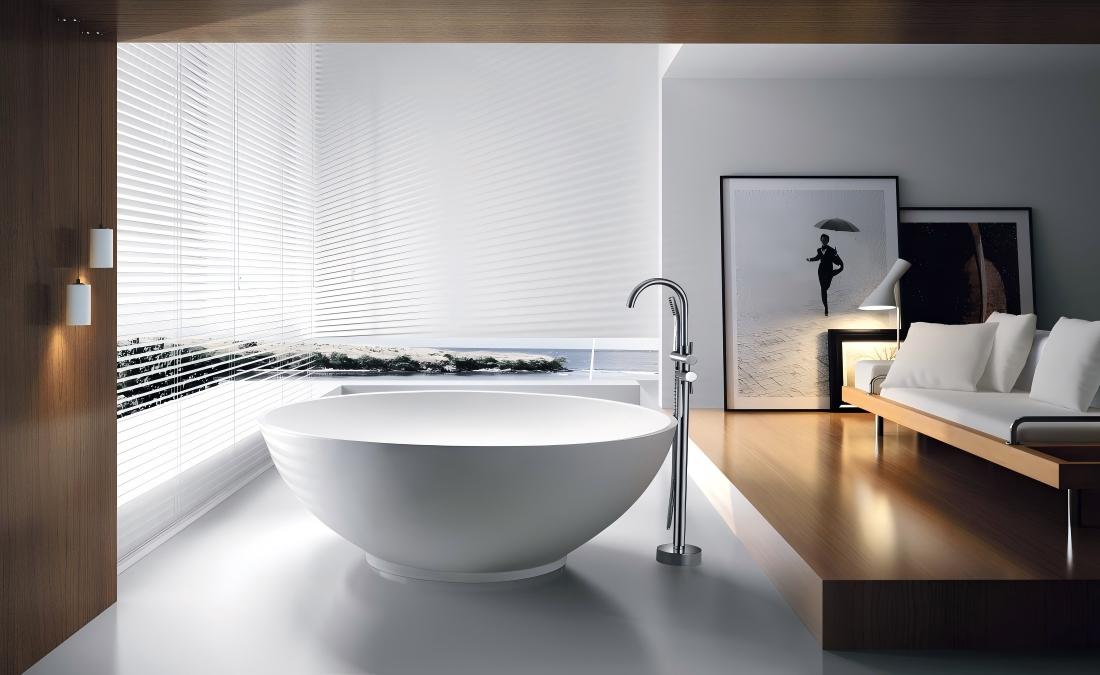
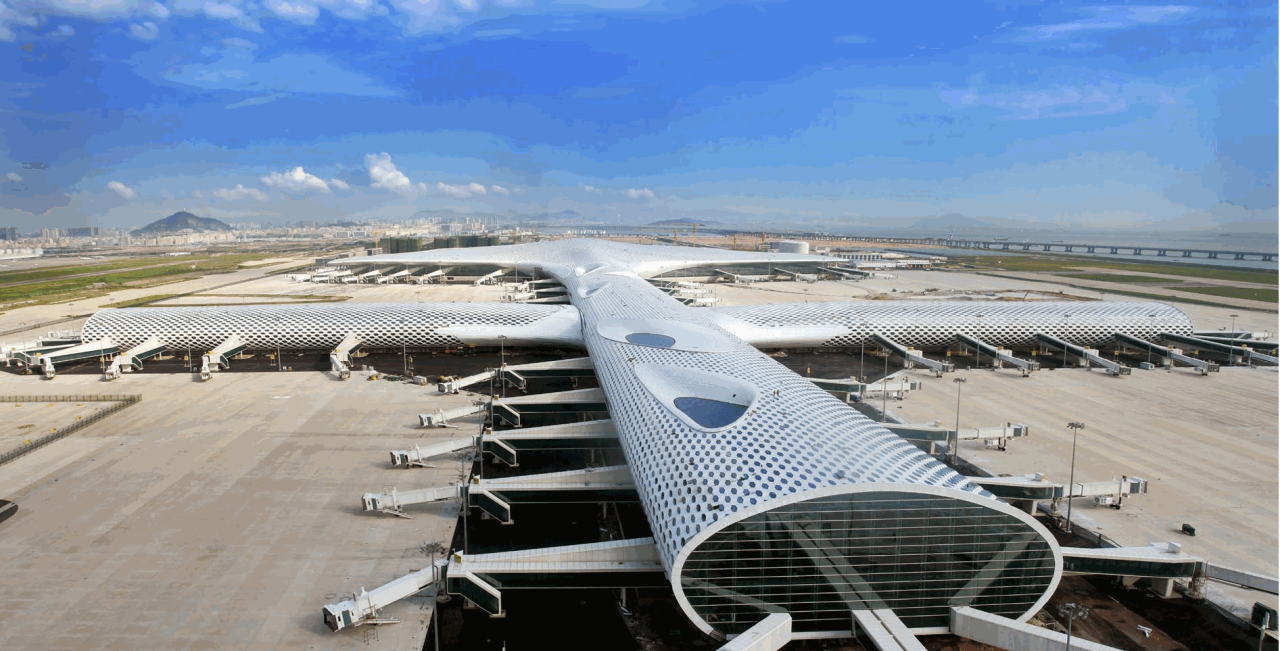
Airports are not only transportation hubs—they are the first impression of a city or country for millions of travelers. Designing airport spaces requires materials that are not only visually striking but also durable, easy to maintain, and resistant to heavy traffic. Engineered marble, a high-performance alternative to natural stone, has emerged as a preferred choice for modern airport construction.
1. Durability for High-Traffic Areas
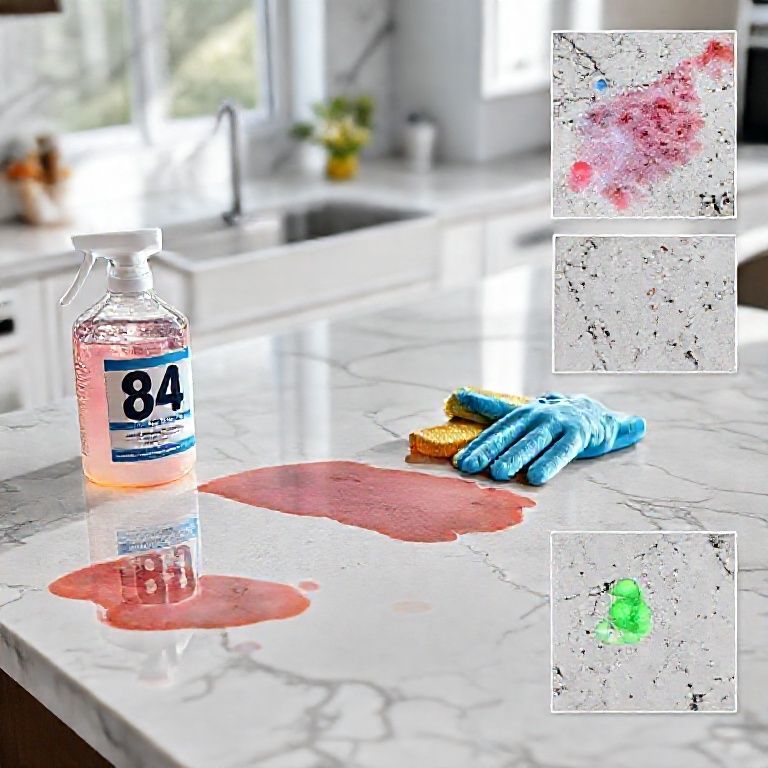
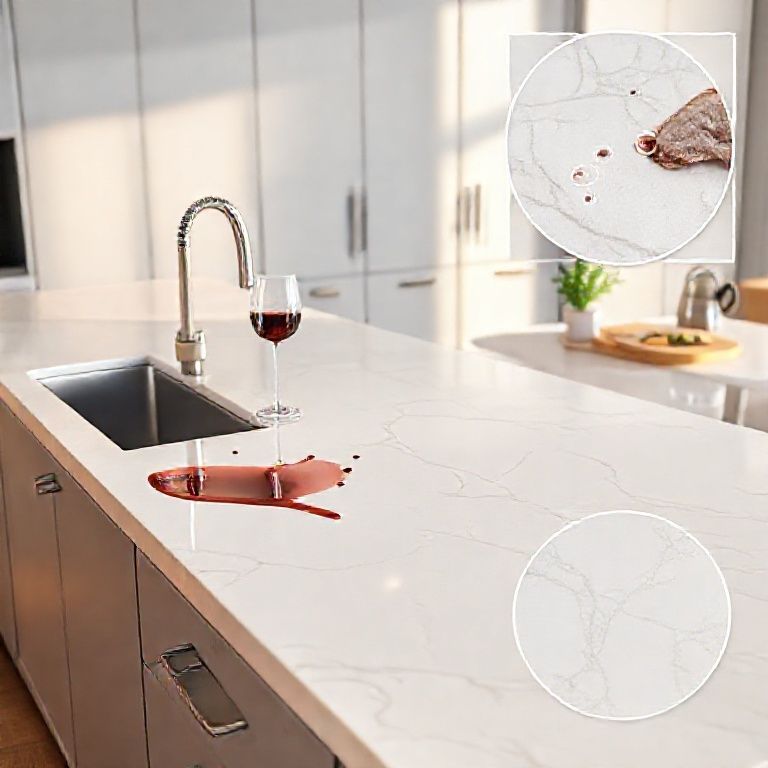
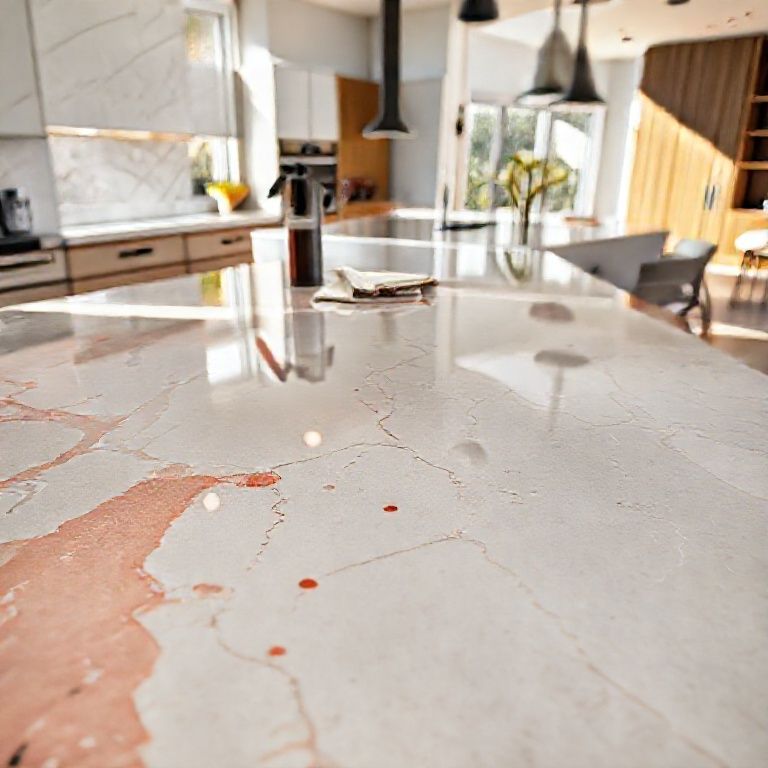
Airports see thousands of passengers daily, and surfaces must withstand constant foot traffic, luggage carts, and occasional impacts. Engineered marble is crafted from a blend of natural minerals and resins, creating a material that is exceptionally strong and resistant to scratches, stains, and wear. This makes it ideal for flooring in terminals, concourses, and waiting areas.
2. Hygienic and Easy to Maintain
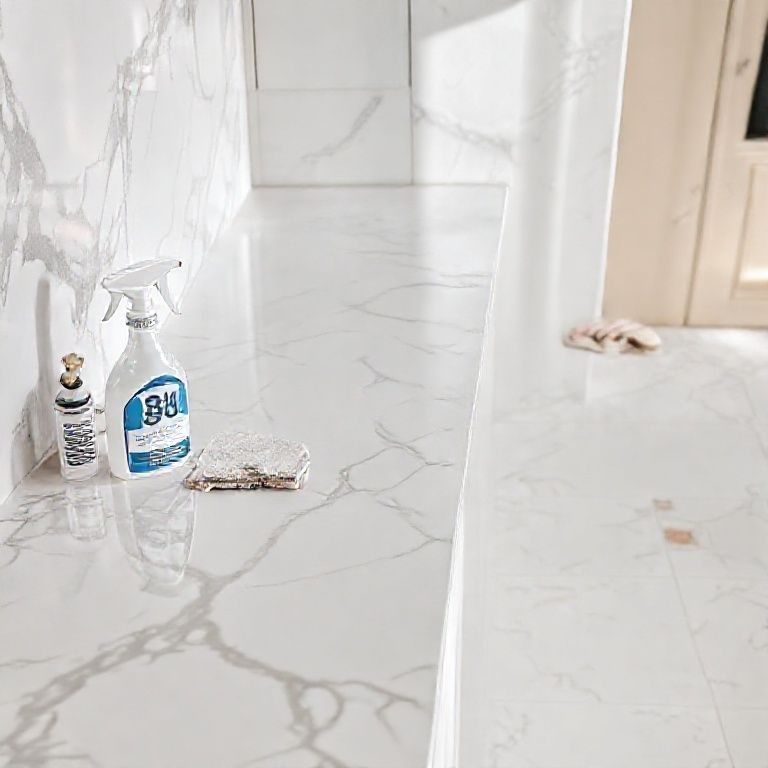
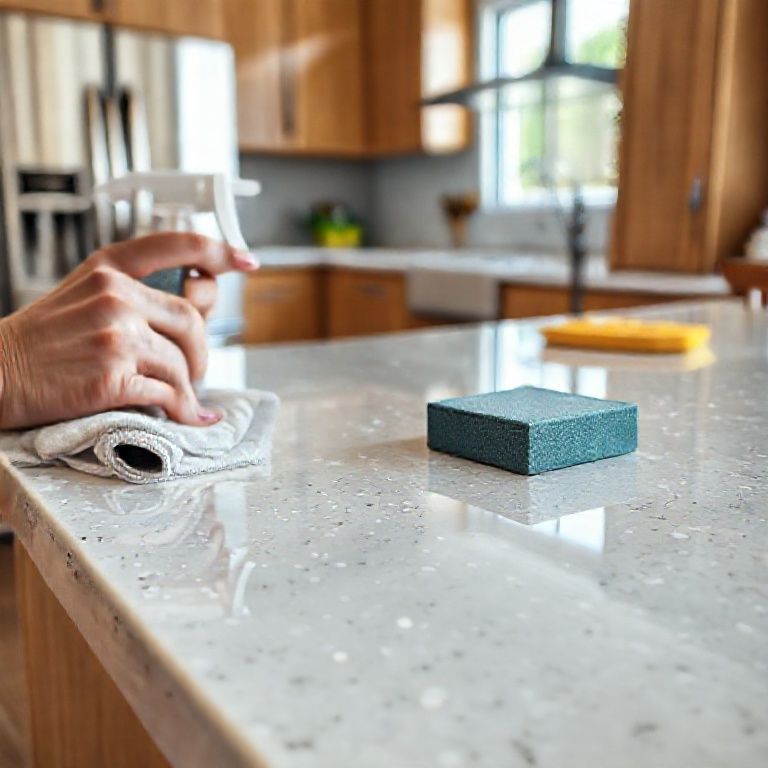
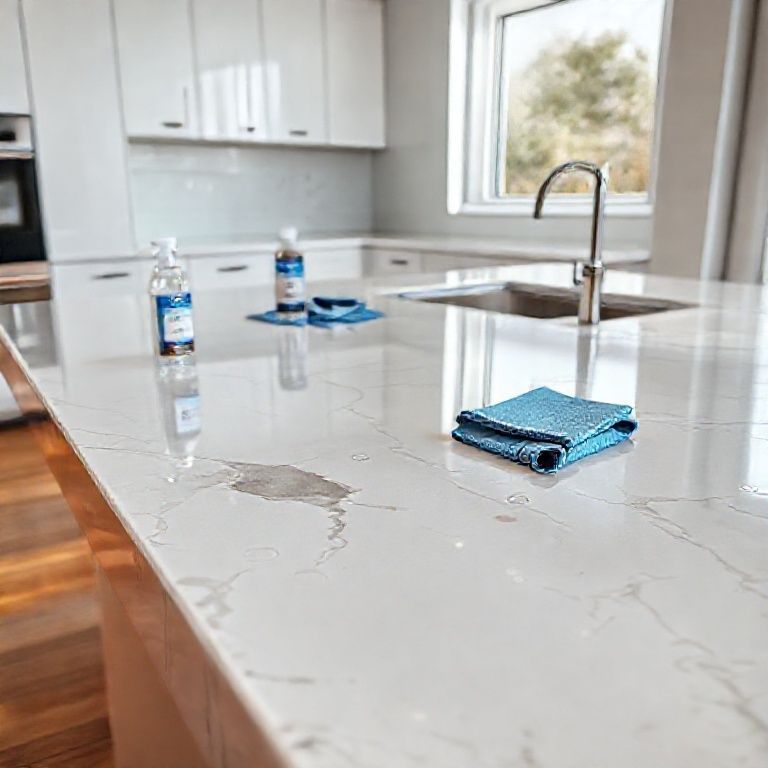
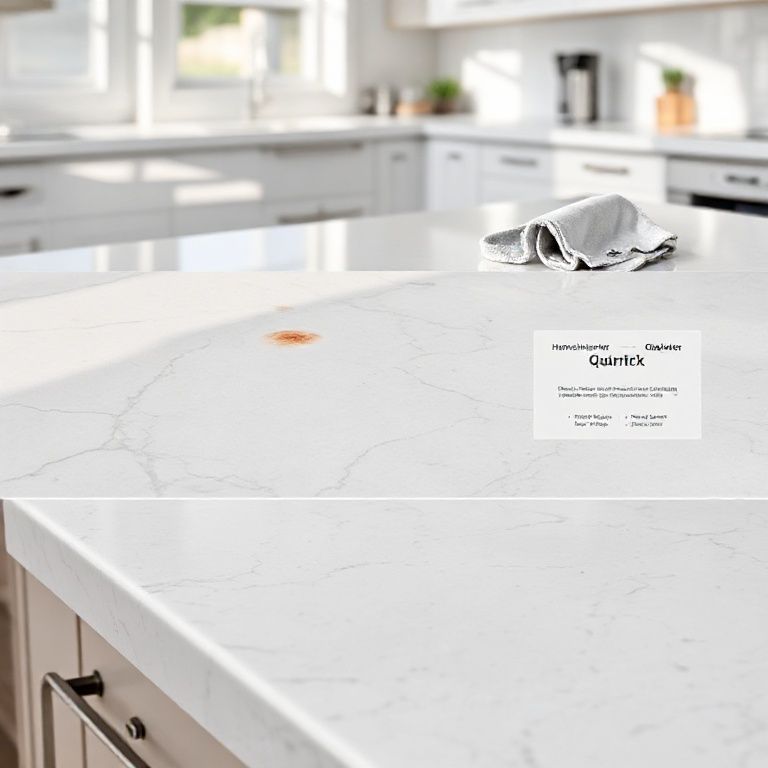
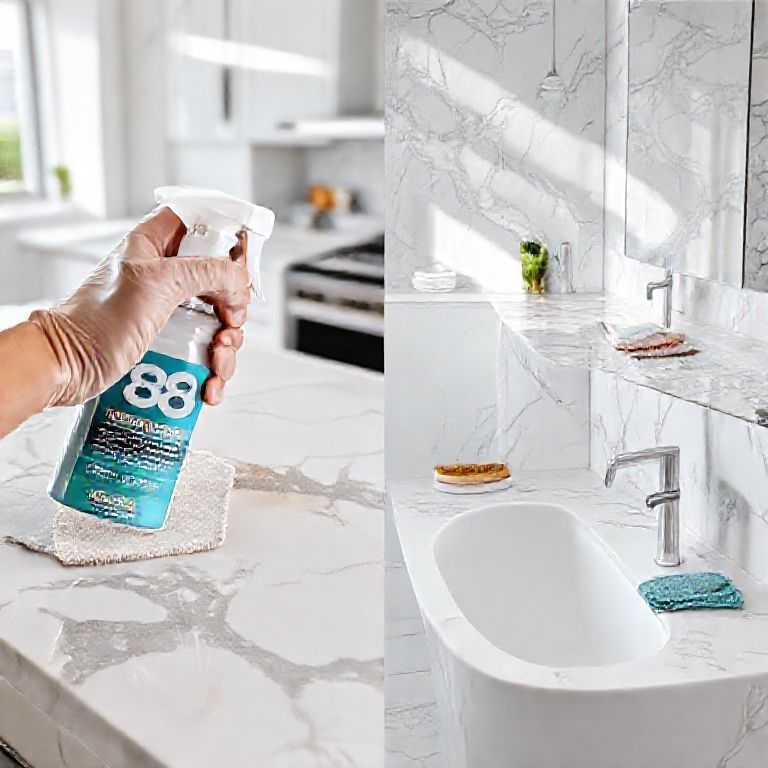
Maintaining hygiene in airports is critical. Engineered marble offers a non-porous surface, preventing bacteria and moisture from seeping into the material. Its easy-to-clean surface ensures that airport maintenance teams can keep areas spotless with minimal effort, enhancing both passenger safety and aesthetic appeal.
3. Aesthetic Flexibility
Engineered marble is available in a wide range of colors, patterns, and finishes. Architects and designers can create sleek, modern interiors or luxurious, classical atmospheres tailored to the airport’s brand identity. From grand check-in counters to elegant VIP lounges, engineered marble provides a versatile canvas for innovative design.
4. Applications in Key Airport Areas
-
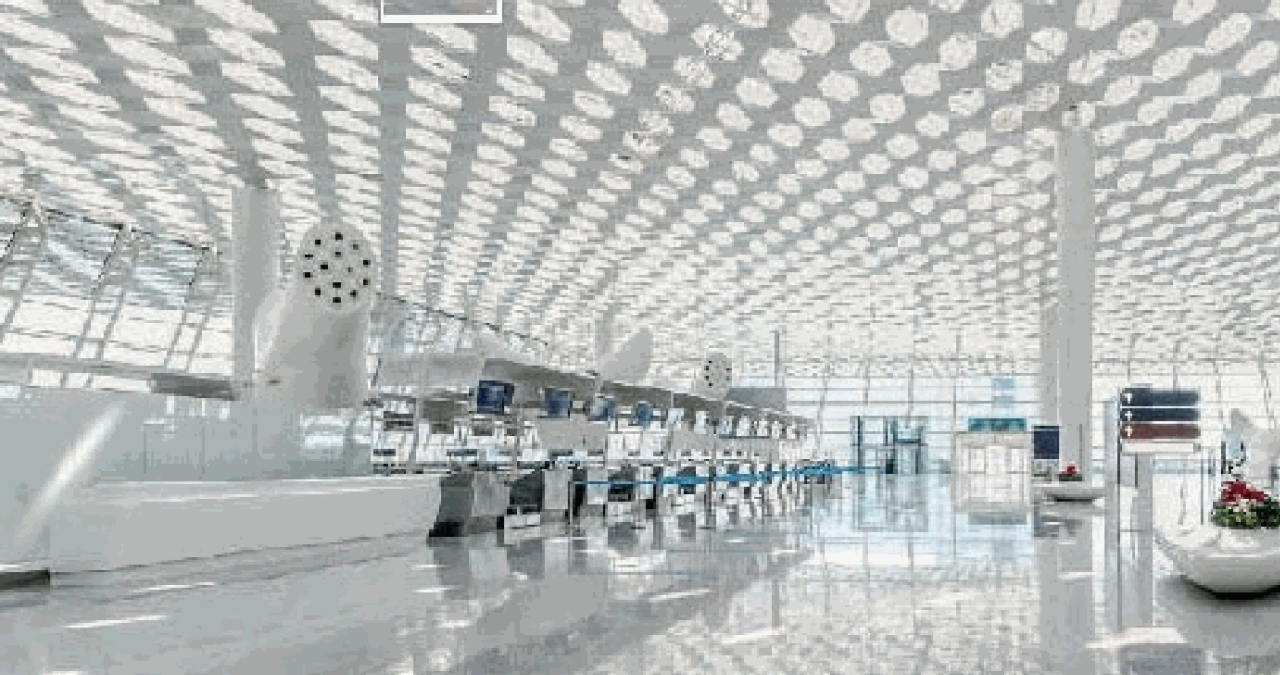
Check-in Counters & Ticketing Desks: Smooth, durable surfaces that withstand constant contact while projecting a professional, polished appearance.
-
Flooring & Walkways: Heavy-duty slabs that maintain their beauty under heavy foot traffic and rolling luggage.
-
VIP Lounges & Rest Areas: Aesthetic appeal combined with comfort and durability, creating an inviting space for travelers.
-
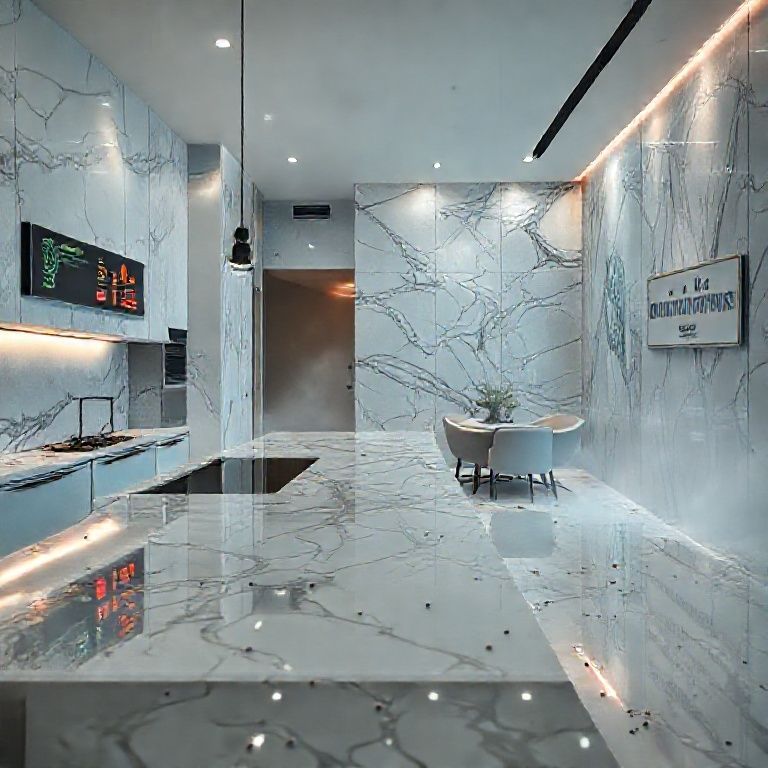
Wall Cladding & Decorative Features: Engineered marble can be sculpted or veneered, allowing for unique architectural statements, art installations, or wayfinding elements.
-
Restrooms & Concessions: Non-porous, stain-resistant, and hygienic surfaces suitable for high-use areas.
5. Sustainability Advantage
Many engineered marble products are made using recycled materials, making them an environmentally responsible choice. Airports striving for green building certifications can benefit from incorporating engineered marble in their design.
6. Proven Track Record
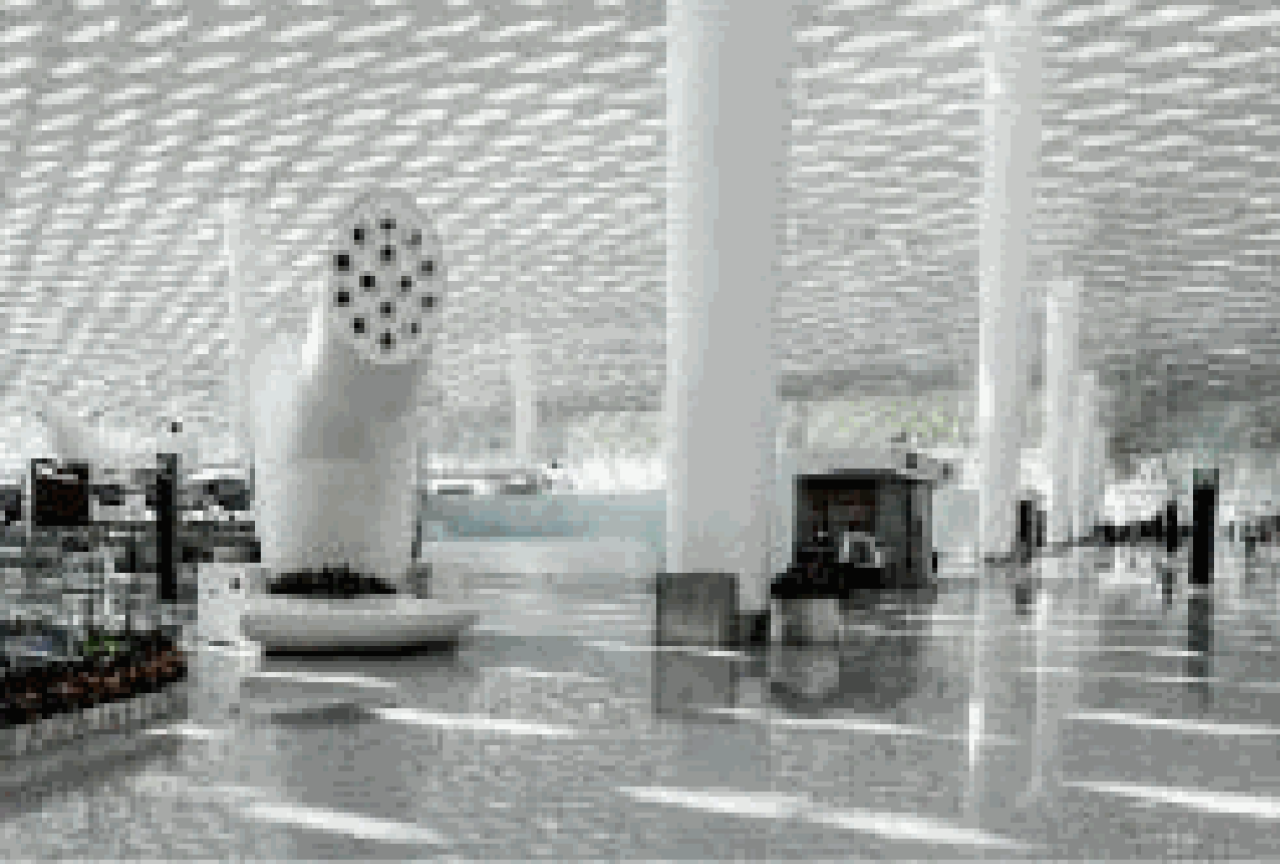
From international hubs to regional airports, engineered marble has been successfully used to transform passenger spaces into functional, aesthetically pleasing environments. Its combination of elegance, strength, and low maintenance ensures that it remains a top choice for modern airport construction projects.
Conclusion:
Engineered marble bridges the gap between beauty and performance. In airport construction, it offers a material solution that not only endures heavy use but also elevates the passenger experience through timeless design. For architects, designers, and developers looking to create lasting impressions, engineered marble is more than a material—it is a statement of quality and sophistication.